No products in the cart.
Advent calendars arrived early in 2026. Brands now launch in August and September, and the popular releases sell out weeks before December begins. If you have a specific calendar in mind this year, you are already shopping late.
This guide covers what an Advent calendar is, why the category keeps growing, which trends define 2026, and how to tell a calendar worth its price from one that is mostly packaging.
What an Advent Calendar Is, and What It Means
The Advent calendar began as a religious countdown. It marked the weeks before Christmas, starting on the fourth Sunday before December 25. Early versions were printed cards and paper doors, and many held Bible verses or short blessings rather than gifts.
The format survived because the idea underneath it is simple. Waiting is part of the holiday. A calendar turns four weeks of waiting into twenty-four small moments, one door at a time.
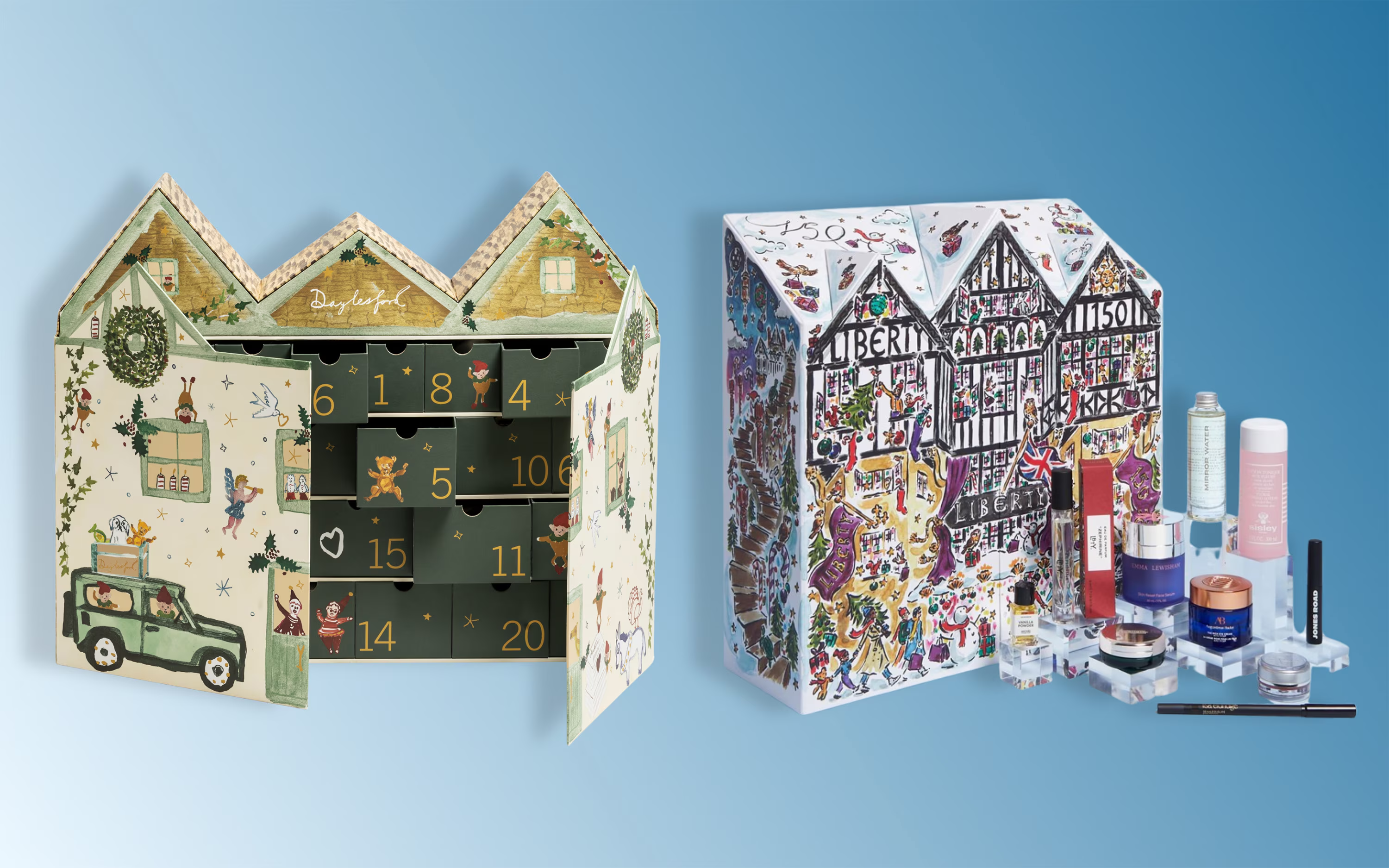
House-shaped calendars have become the standard shape for premium releases, with the box designed to sit out as decoration for the full month.
Modern calendars dropped the religious content and kept the structure. Today the box holds chocolate, skincare samples, miniature spirits, ornaments, or collectible figures. The container matters nearly as much as the contents, because it stays on the shelf from December 1 through Christmas morning.
Why Advent Calendars Sell Out Every Year
Four things drive most of the demand:
- Price per item. Beauty calendars bundle products well below their combined retail price. A calendar listed at $200 can hold $600 of product, which is why the big releases clear out in days.
- A daily reason to open something. A single gift is one moment. A calendar spreads the same spend across 24 of them.
- Low-risk gifting. A calendar works for a parent, a coworker, or a friend whose taste you do not know well. The variety inside covers the guesswork.
- Discovery. Fragrance and skincare buyers use calendars to test products they would not pay full size for.
Advent Calendars 2026: The Trends Defining This Year
Beauty calendars now sit second only to chocolate in category size. Research puts roughly 40% of shoppers aged 18 to 34 as having bought a cosmetics calendar at least once. The result is a crowded market, and four groups dominate it this year.
Beauty, Skincare, and Fragrance
Luxury houses treat the calendar as a display piece as much as a product. Prices run high, and so does the retail value inside.
- Diptyque: a gold-plated box of 25 scented items, including miniature perfumes, candles, and body care, at $495.
- Christian Louboutin: built like a couture hatbox in the house red, holding eau de parfums, lipsticks, nail polish, and a red-sole shoe charm.
- Space NK: over £1,200 of product, packaged in 100% recyclable FSC-certified paper with vegetable-based inks.
- Liberty London: over £1,300 of product across 29 items, 21 of them full size, covering skincare, makeup, and wellbeing.
- Oak Essentials: a smaller self-care set that mixes skincare balms with a merino wool sleep mask and cashmere socks.
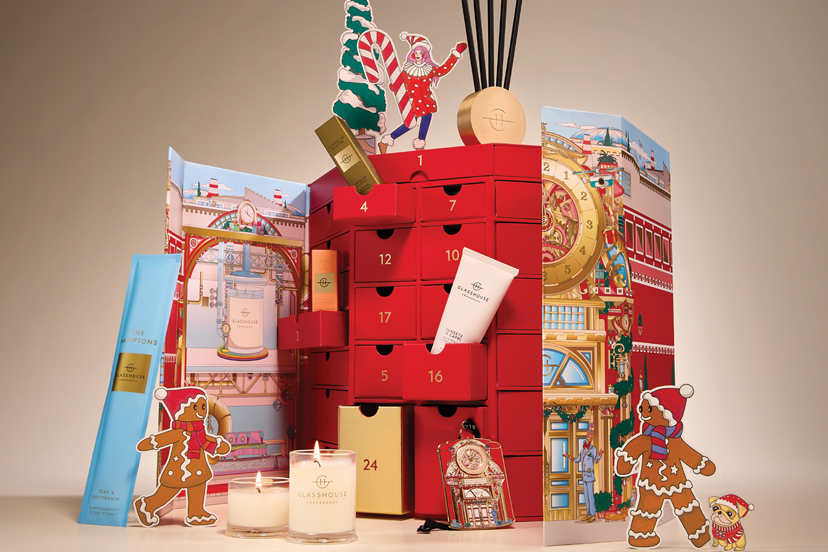
Drawer-style beauty calendars put the product on display rather than hiding it behind paper doors.
Gourmet Food and Confections
Food calendars hold the largest share of the market and the widest price range. A supermarket chocolate calendar costs under $10. A specialty set runs past $100.
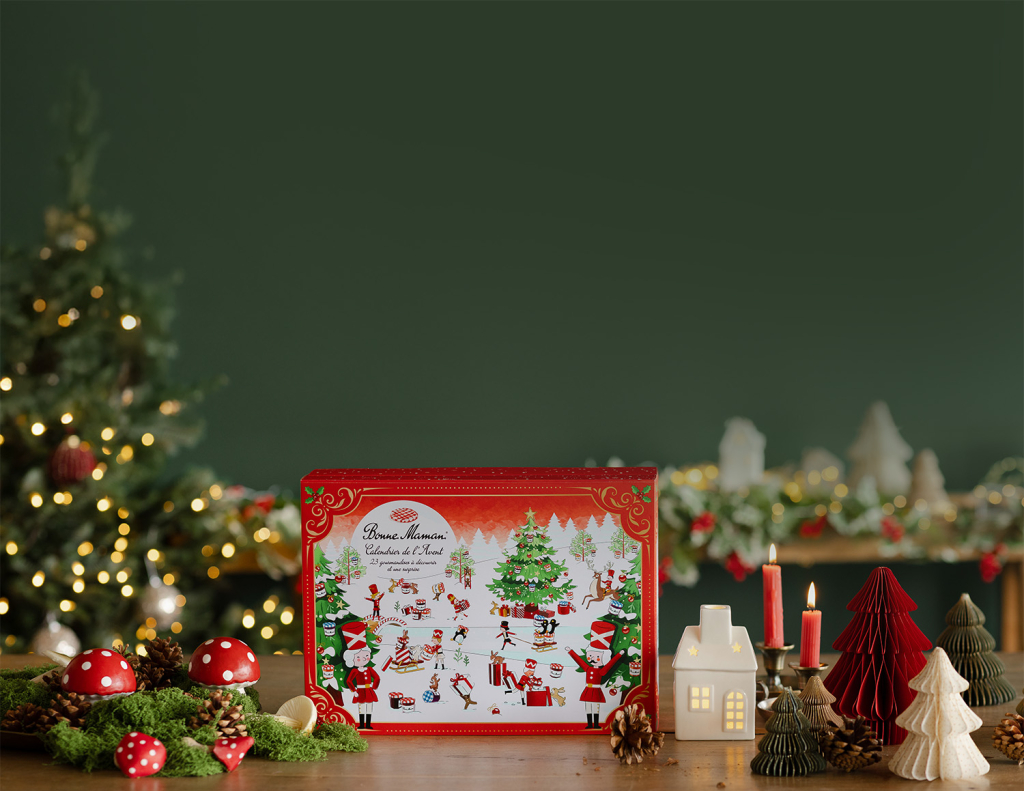
- Bonne Maman: 24 limited-edition 1-ounce jars of jam and spread, reissued every year with new flavors.
- Chocolate: Vosges builds its Grand Cacao Lodge around dark chocolate, caramel, and toffee. Dandelion Chocolate hides its pieces inside ornaments in a Nordic-styled silver box. Compartés runs an Enchanted Castle theme with flavors like eggnog crème brûlée.
- Savory: the Oliviers & Co. calendar covers condiments, including basil olive oil, grapefruit vinegar, and black olive tapenade.
Premium Beverages
Drinks calendars carry the highest shipping cost and the tightest stock, so they tend to sell out first.
- Wine and spirits: In Good Taste ships 24 six-ounce bottles of wine sourced globally. Flaviar runs a museum-themed whiskey calendar with a Glencairn glass set.
- Craft beer: City Brew Tours packs its 12 Beers of Christmas with full cans from breweries across the country.
- Tea: Vahdam puts five bags behind each of 24 doors. Fortnum & Mason runs 24 blends, including chamomile bee pollen.
If a drinks calendar is the gift, pair it with glassware from our drink and bar gifts so the recipient has something that outlasts December.
Collectibles, Characters, and Sports
This is the group the beauty houses ignore, and it is where most of the growth sits. Instead of samples that get used up, these calendars hold 24 items the recipient keeps: ornaments, figures, pins, or acrylic charms built around a character, a team, or a franchise.
The appeal is different from a beauty calendar. Nothing is consumed. On December 25 the recipient owns a complete set, and in most cases that set goes straight onto the tree or the shelf. For a collector, that matters more than retail value.
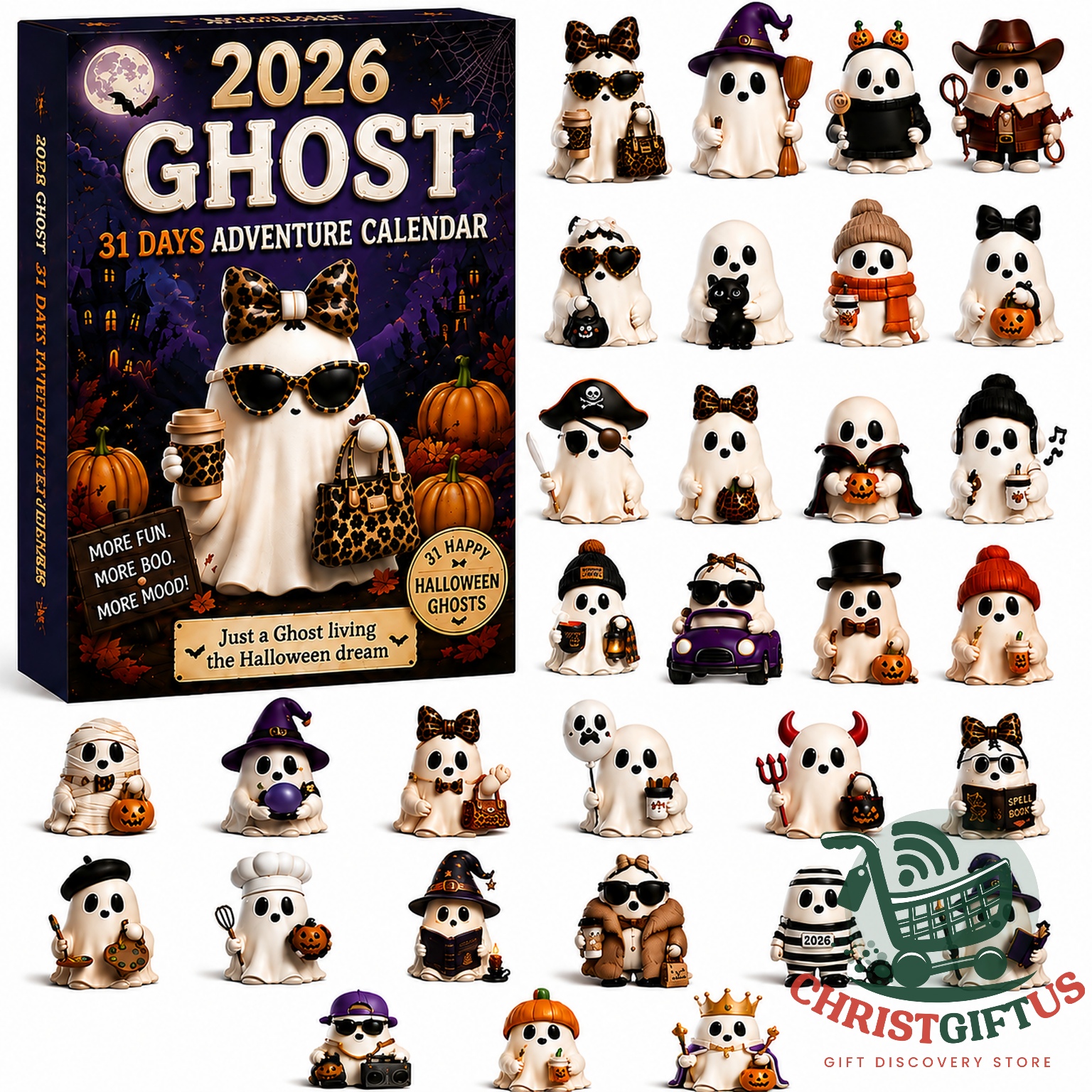
Character sets like the Ghost Adventure calendar carry the countdown past Halloween and into the Christmas run.
Franchise calendars work the same way. Each door holds one character, and the run of 24 completes a cast.

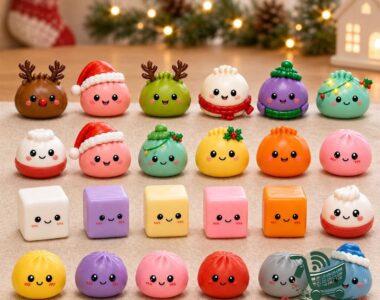
A 24-character set gives a collector a complete lineup rather than 24 samples that get used up.
Sports calendars follow the team calendar rather than the retail one. Acrylic ornament sets are the common format, since they hang on a tree and store flat for the next year.
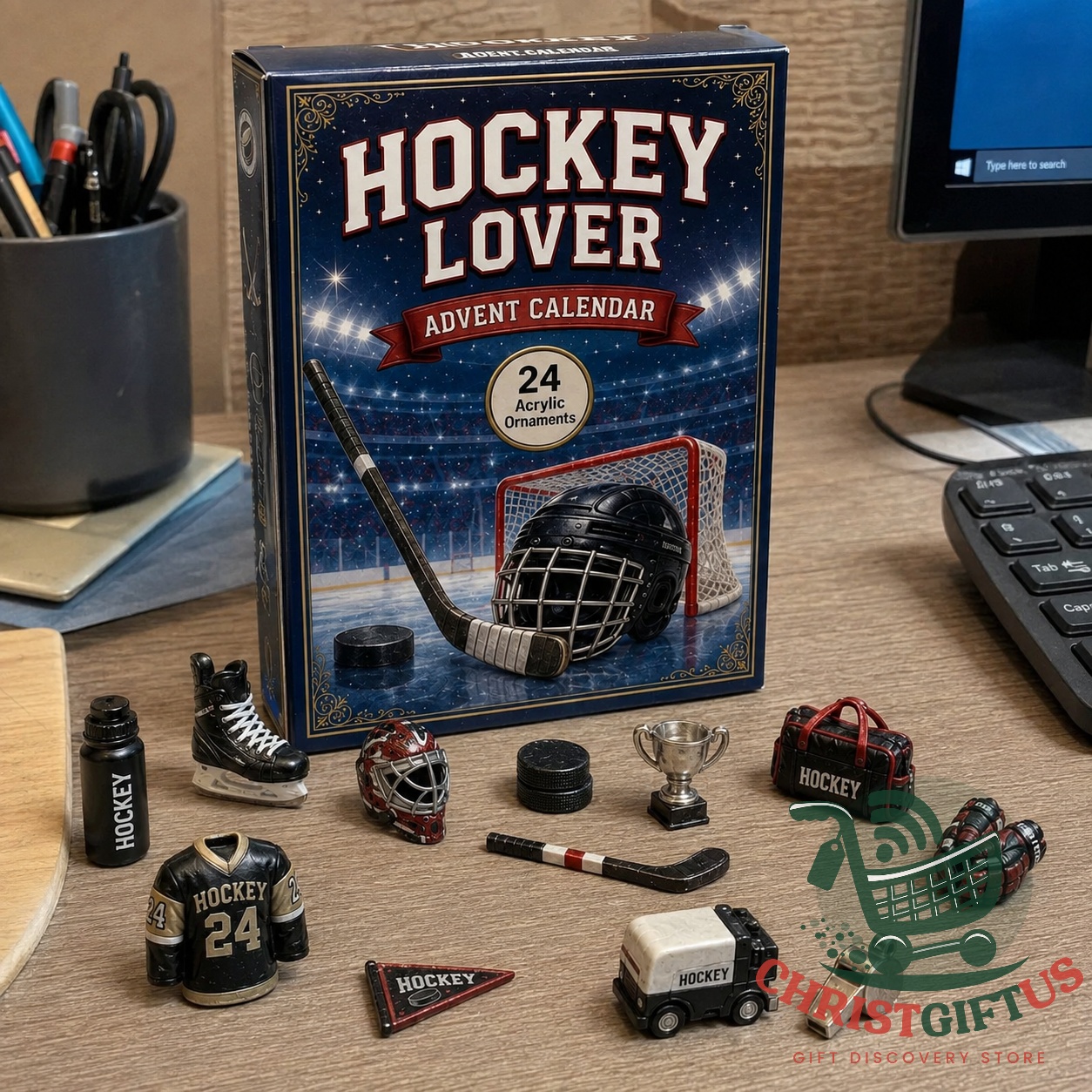
Acrylic ornament calendars store flat after Christmas, which is why they get reused year after year.
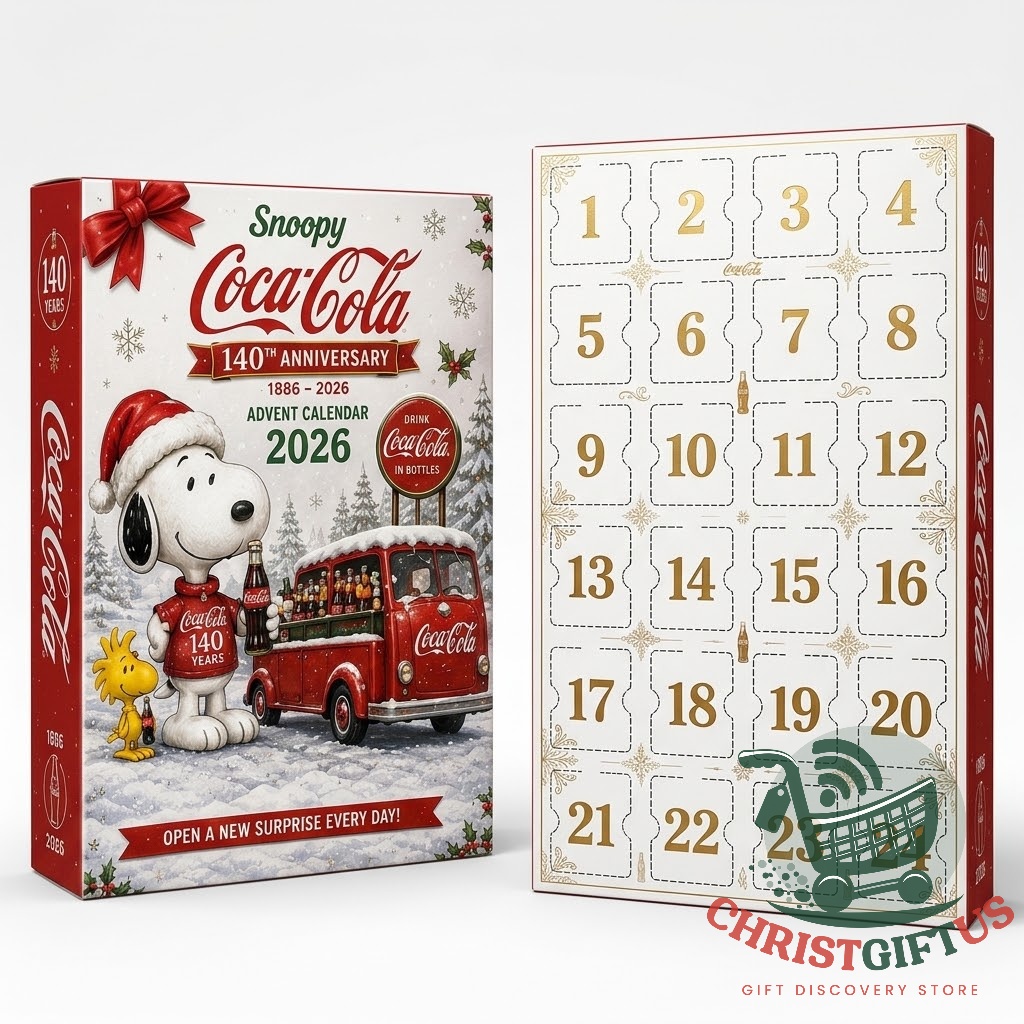
Licensed crossovers sell fastest of all, because two fan bases want the same box. Sets built around long-running characters tend to be produced once and not restocked.
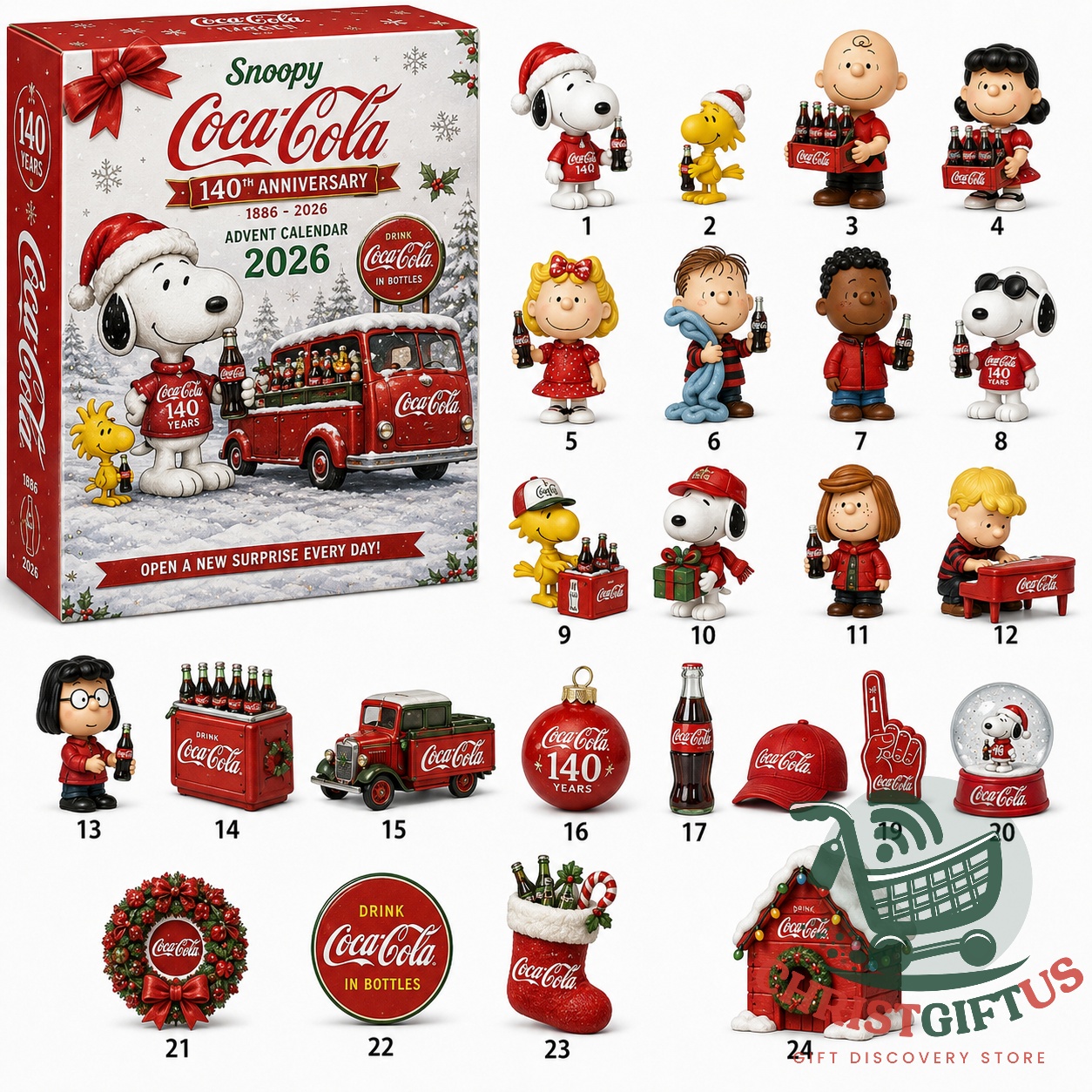
Anniversary crossovers draw two collector audiences at once, which is why they clear stock early.
Browse the full range in Advent Calendars, or look through ornaments and keepsakes if you would rather build a countdown yourself.
How to Judge an Advent Calendar Before You Buy
Retail value on the box is a marketing number. These five checks tell you more.
Work out the price per door
Divide the price by 24. A $120 calendar costs $5 a door. If the items behind those doors are things you would not pay $5 for individually, the bundle discount is not real. This single calculation rules out most disappointing purchases.
Check sample size against full size
Beauty calendars mix deluxe samples with full-size products, and the ratio decides the value. Liberty London lists 21 full-size items out of 29. A calendar that lists 24 items without stating sizes is usually mostly samples. Ask before you buy, not after.
Read the dates on food and drink
Chocolate, jam, and craft beer all carry expiration dates, and a calendar bought in September may sit unopened until December. Fresh confections have the shortest window. Spirits and tea have the longest. If you are buying early, buy the categories that keep.
Decide whether the box is worth keeping
Cardboard calendars go in the recycling on December 25. Wooden and acrylic ones come back out next year, and refillable frames cost more once and nothing after that. A reusable calendar is the cheaper choice by the third Christmas, provided you want the same design that long.
Buy before the shipping cutoff, not before December 1
A calendar has to arrive before the first door opens. Standard domestic shipping needs a week in early December and closer to two weeks by mid-month, when carrier volume peaks. Ordering in October costs the same as ordering in December and removes the risk entirely.
Matching the Calendar to the Person
The category has split far enough that the right choice depends more on the recipient than on the trend list.
- Children: figures, small toys, or chocolate. Keep the pieces large enough to be safe for the age, and expect the box to be opened at speed rather than one door a day.
- Collectors and fans: character and franchise sets, where the value is a complete run rather than the contents of any single door.
- Someone who already owns everything: consumables. Food, tea, and fragrance leave nothing behind to store.
- A household rather than a person: ornaments. Each door adds something to the tree, so the whole family sees the result.
For more on decorating around the countdown, see our guide to holiday home decor trends for 2026. If you are filling stockings alongside the calendar, the Christmas stocking size and personalization guide covers sizing and name placement.
Advent Calendars at ChristGiftUs
Our 2026 range sits in the collectible and keepsake end of the market rather than the beauty end. That means 24 items the recipient keeps, built around characters, teams, and holiday themes, at prices well under the luxury beauty sets.
Close-up of the figurines from the anniversary set, one behind each of the 24 doors.
Stock on licensed sets is fixed for the season. Once a run sells through, it is not reordered, so the practical deadline for the popular designs falls in October rather than December.
Frequently Asked Questions
When does an Advent calendar start?
Most calendars sold today start on December 1 and run to December 24. The religious observance of Advent starts on the fourth Sunday before Christmas, so its date moves each year. Commercial calendars ignore that and use the fixed December 1 start.
How many doors does an Advent calendar have?
Twenty-four is standard. Some sets include a twenty-fifth door for Christmas Day, and a few beauty calendars run to 25 or 31. Check the count before buying if you plan to open one a day.
Are beauty Advent calendars worth the money?
They are when the full-size ratio is high and you would have bought the brand anyway. Divide the price by the number of doors, then ignore every sample you would not have purchased on its own. If the remaining items still cover the price, the calendar is worth it.
What is a good Advent calendar for a child?
Figures, small toys, and chocolate work best. Avoid sets with small loose parts for children under three. Expect the countdown to be opened faster than one door a day, and pick a design where that does not ruin the set.
When should I buy an Advent calendar for 2026?
October. Popular releases sell out in weeks, licensed sets are produced in a single run, and buying early costs the same as buying late. Waiting past mid-November means paying for expedited shipping or choosing from what is left.
Can you reuse an Advent calendar?
Wooden, acrylic, and fabric calendars are built to be refilled each year. Cardboard calendars with sealed contents are single use. If you want a calendar that lasts, buy the frame once and fill it yourself, which also lets you match the contents to the person.
What is the difference between an Advent calendar and a Christmas countdown calendar?
In practice, none. Advent refers to the religious season, and countdown is the secular name for the same 24-door format. Retailers use the terms interchangeably, so search both when you are looking for a specific design.
Do Advent calendars come with a gift receipt?
Most retailers treat a calendar as a single item, so it ships with one receipt covering the whole set rather than per door. If the calendar is a gift, check the return window before December, since holiday returns usually close earlier than the standard policy.
Shop the 2026 Advent Calendar collection
48 calendars in stock, from character and franchise sets to sports ornaments and holiday keepsakes. Licensed runs are made once and not restocked.